Auto logout in seconds.
Continue Logout
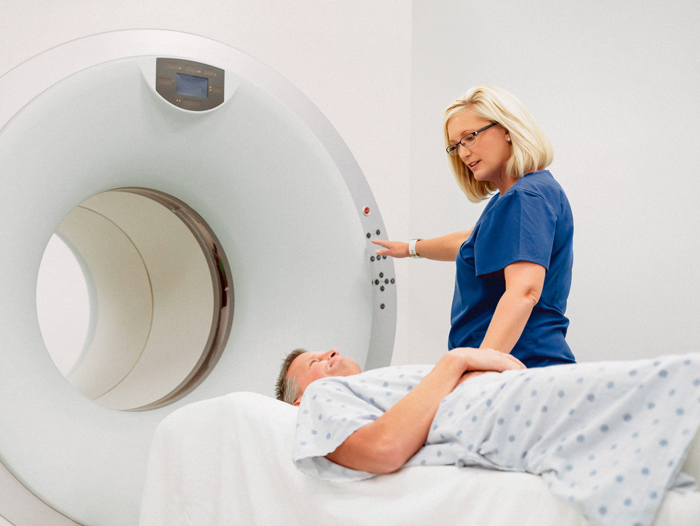
Health systems continue to grapple with radiology technologist (rad tech) shortages fueled by post-COVID-19 burnout, intensifying competition for staff from freestanding imaging centers, rising demand for services from an aging population, and candidates’ expectations for more comprehensive benefits. Despite modest declines in vacancy rate among some imaging disciplines since 2023, the overall rad tech vacancy rate remains near an all-time high. In 2025, computed tomography had one of the highest vacancy rates at 19.4%, up from 17.7% in 2023.1
In response, many health systems have implemented cross-training programs to try to alleviate rad tech shortages. While health systems often adopt cross‑training to solve immediate coverage gaps, the program’s success hinges less on the training itself and far more on how roles, incentives, and risk are structured to fully integrate cross-training into the rad tech workforce. This expert insight shares the following five key design principles that organizations should follow for an effective cross-training program.


Don't miss out on the latest Advisory Board insights
Create your free account to access 1 resource, including the latest research and webinars.
Want access without creating an account?
You have 1 free members-only resource remaining this month.
1 free members-only resources remaining
1 free members-only resources remaining
You've reached your limit of free insights
Become a member to access all of Advisory Board's resources, events, and experts
Never miss out on the latest innovative health care content tailored to you.
Benefits include:
Unlimited access to research and resources
Member-only access to events and trainings
Expert-led consultation and facilitation
The latest content delivered to your inbox
You've reached your limit of free insights
Become a member to access all of Advisory Board's resources, events, and experts
Never miss out on the latest innovative health care content tailored to you.
Benefits include:
Unlimited access to research and resources
Member-only access to events and trainings
Expert-led consultation and facilitation
The latest content delivered to your inbox
This content is available through your Curated Research partnership with Advisory Board. Click on ‘view this resource’ to read the full piece
Email ask@advisory.com to learn more
Click on ‘Become a Member’ to learn about the benefits of a Full-Access partnership with Advisory Board
Never miss out on the latest innovative health care content tailored to you.
Benefits Include:
Unlimited access to research and resources
Member-only access to events and trainings
Expert-led consultation and facilitation
The latest content delivered to your inbox
This is for members only. Learn more.
Click on ‘Become a Member’ to learn about the benefits of a Full-Access partnership with Advisory Board
Never miss out on the latest innovative health care content tailored to you.
Benefits Include:
Unlimited access to research and resources
Member-only access to events and trainings
Expert-led consultation and facilitation
The latest content delivered to your inbox
