Auto logout in seconds.
Continue Logout
The U.S. healthcare system is approaching a major inflection point. Nearly $1 trillion in Medicaid cuts are set to take effect in January 2027, driven by new work requirements, more frequent eligibility checks, and tighter limits on state financing.
While the policy changes are months away, their consequences are already clear: millions of Americans are at risk of losing coverage, and provider organizations — many operating on margins near zero — will absorb the downstream impact through rising uncompensated care.
In this episode, hosts Rae Woods and Abby Burns are joined by former Optum Executive Director of Product and Strategy Sunay Shah to help healthcare leaders move from “scramble” to strategy. Drawing on lessons from past Medicaid shifts, including redeterminations and state level work requirement experiments, they explain why administrative disenrollment —not ineligibility — is the biggest threat facing patients and providers alike.
Together, they break down what health systems can do now to keep eligible patients covered: redesigning workflows earlier in the patient journey, using technology more thoughtfully, partnering with community organizations, state agencies, and operational support partners, and rebuilding trust with patients during moments of vulnerability.
We’re here to help:
- Episode | 288: Health policy update: VBC, site-neutral payments, and 340B
- Playlist | Radio Advisory health policy playlist
- Ready-to-Use Resource | Your guide to CMMI’s 25+ innovation models
- Expert Insight | How policy changes will impact your bottom line
- White Paper | Navigating the next era of Medicaid
- On-Demand Webinar | Adapting to the changes in Medicaid policies
- Want to learn more about how Optum can help? Connect with our team today
Register today for the 2026 Advisory Board Summit in Washington, D.C.
2026 State of Healthcare Procurement: Cost, Quality, Resilience
A transcript of this episode as well as more information and resources can be found on RadioAdvisory.advisory.com.
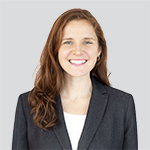
Rachel Woods
Vice president, national spokesperson, host, Radio Advisory
Posted on April 21, 2026

Don't miss out on the latest Advisory Board insights
Create your free account to access 1 resource, including the latest research and webinars.
Want access without creating an account?
You have 1 free members-only resource remaining this month.
1 free members-only resources remaining
1 free members-only resources remaining
You've reached your limit of free insights
Become a member to access all of Advisory Board's resources, events, and experts
Never miss out on the latest innovative health care content tailored to you.
Benefits include:
Unlimited access to research and resources
Member-only access to events and trainings
Expert-led consultation and facilitation
The latest content delivered to your inbox
You've reached your limit of free insights
Become a member to access all of Advisory Board's resources, events, and experts
Never miss out on the latest innovative health care content tailored to you.
Benefits include:
Unlimited access to research and resources
Member-only access to events and trainings
Expert-led consultation and facilitation
The latest content delivered to your inbox
This content is available through your Curated Research partnership with Advisory Board. Click on ‘view this resource’ to read the full piece
Email ask@advisory.com to learn more
Click on ‘Become a Member’ to learn about the benefits of a Full-Access partnership with Advisory Board
Never miss out on the latest innovative health care content tailored to you.
Benefits Include:
Unlimited access to research and resources
Member-only access to events and trainings
Expert-led consultation and facilitation
The latest content delivered to your inbox
This is for members only. Learn more.
Click on ‘Become a Member’ to learn about the benefits of a Full-Access partnership with Advisory Board
Never miss out on the latest innovative health care content tailored to you.
Benefits Include:
Unlimited access to research and resources
Member-only access to events and trainings
Expert-led consultation and facilitation
The latest content delivered to your inbox